


Hungry AF Media is a food and beverage marketing agency in Houston, Texas, that runs social media for 23 restaurants across 45+ accounts. Founder John Mumm went from a one-person operation to a seven-person agency in about six months, and he now schedules two weeks of content for every client from PostPlanify. In one sitting, that came to 190 posts for 20 restaurants.
About Hungry AF Media
Hungry AF Media describes itself as "a food and beverage photography & film studio crafting craveable visuals for your brand," working across Houston, Austin and San Antonio. John started out shooting for restaurants on his own. About six months ago, he turned that into a full restaurant marketing agency that also runs each client's social media.
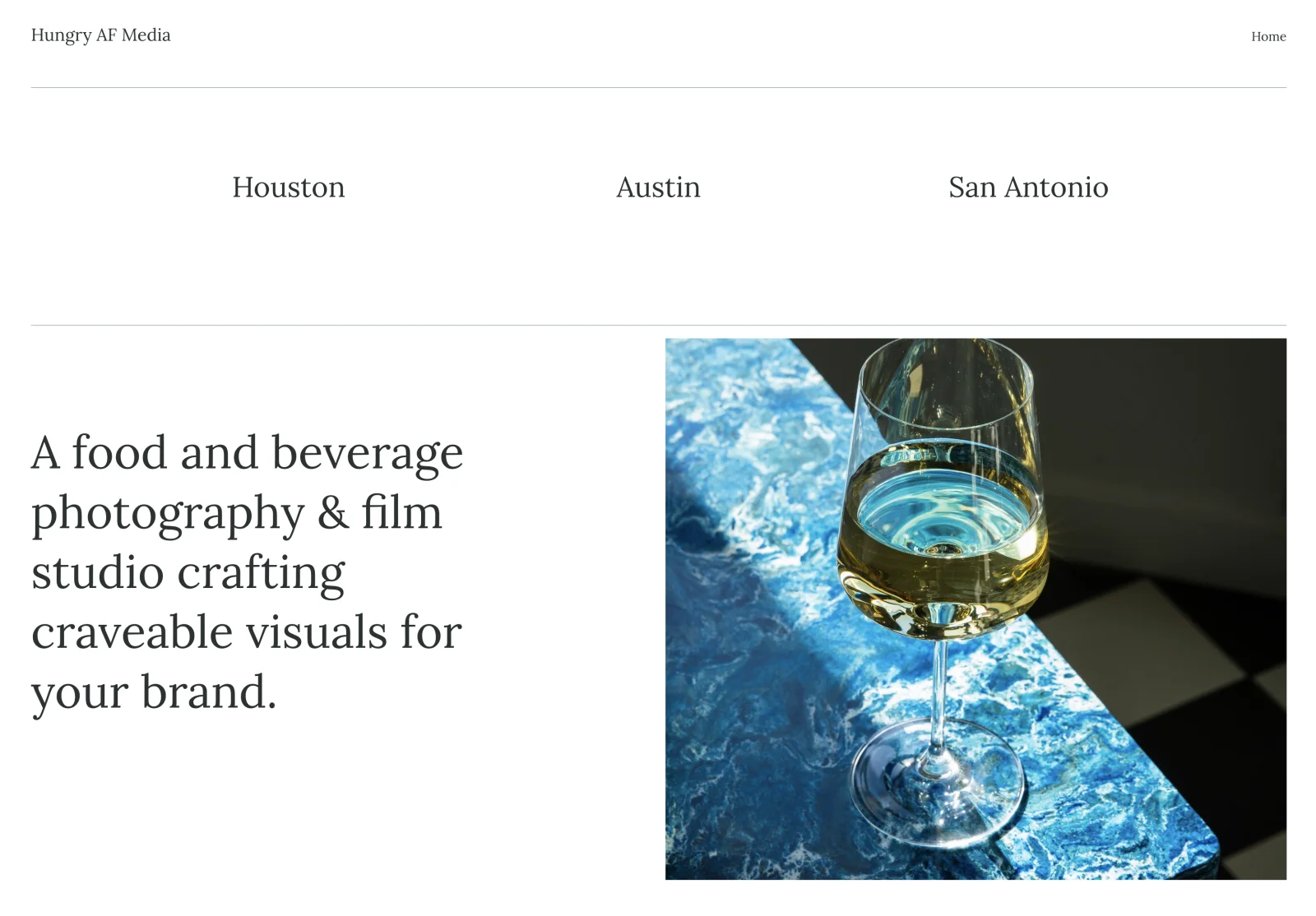
The team is now seven people, and three of them work in PostPlanify. His social media management package includes 4 to 5 posts a week, 10 to 12 reels a month, caption copy, stories, multiple shoots and cross-posting to TikTok, Instagram and Facebook.
The Challenge: From One Photographer to 23 Workspaces
Running social for a handful of restaurants by hand is doable. Running it for 23, where some clients have one account and others have three, is not. John needed every account in one place, without the confusion of jumping between them, at a price that still made sense as the client list grew.
He knows that's where plenty of agency owners start. "A lot of the agencies are single operators with a couple of contractors, like I was," he says.
That last part ruled out most of the tools he'd used before. Several charged around $100 for every workspace he added.
“When you have 22 accounts, that doesn't make sense on my end financially.”
Why He Chose PostPlanify
John had used a variety of scheduling tools before, and he's honest that posting works about the same in all of them. He found PostPlanify while digging "pretty deep on Google" for alternatives, and what set it apart was everything around the posting:
- Pricing that fits an agency. PostPlanify's pricing is per workspace with unlimited users on every plan. "Everyone else charges per user on top of per workspace," he says.
- Switching between clients is easy. Moving between workspaces, opening reports, and bringing in clients and editors is "a lot smoother of a process."
- A client view that isn't confusing. "When they see the client side, it's very easy for them to see."
“Other platforms use a lot of bells and whistles versus what you actually need.”
He also sees PostPlanify as a fit for agencies at his exact stage: too big for a basic scheduler, not yet big enough to need a custom enterprise setup.
“There really isn't a program out there that will do that for you that isn't confusing to use.”
How the Team Runs 23 Restaurants
Four months in, every restaurant has its own workspace, and the team works two weeks ahead. "I batch create everything for all my clients and myself," John says. The day before our interview, he sat down and scheduled about 190 posts covering the next two weeks for 20 clients. That's roughly 4 to 5 posts per restaurant per week, exactly what his package promises.
The timing was deliberate. A new team member was about to take over posting, and John wanted her to start with a full runway:
“I had to have it out far enough that she has set up properly to be able to schedule stuff and not be rushed on it.”
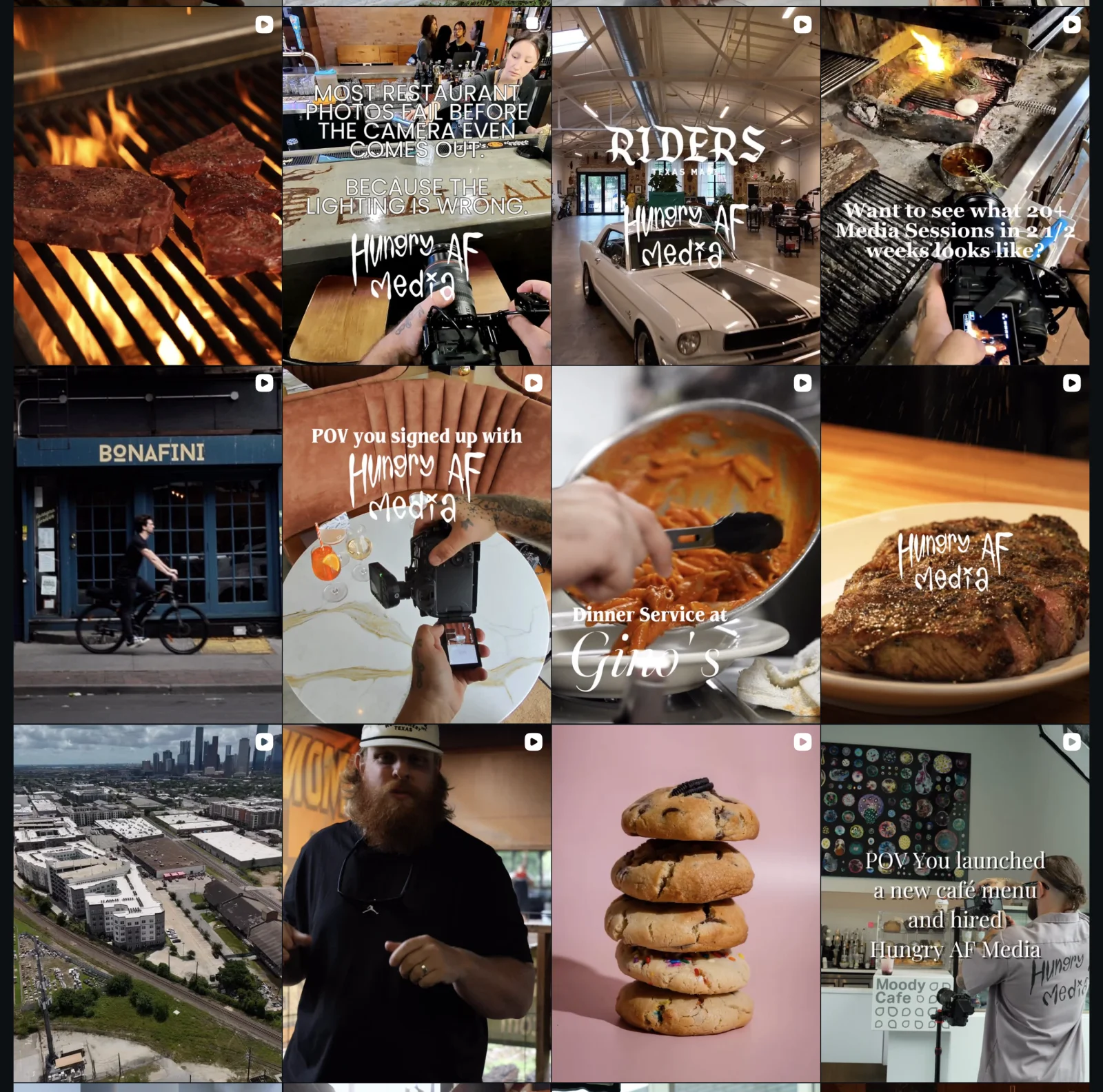
Here's how the rest of the workflow fits together:
- Two weeks of runway. Content is planned in the content calendar two weeks out, so there's time to catch changes before anything goes live.
- Approvals instead of logins. Most clients never log in. "They just care that stuff's being posted ahead of time," John says. When they do need to sign off, approval workflows handle it.
- One inbox for every restaurant. In the social inbox, the team can filter by account, by Facebook or Instagram, and by messages or comments, then flag anything that needs a client or a teammate.
- No client passwords on phones. "We don't log in any of our clients via mobile app, for security reasons."
- Alerts when something breaks. John gets an email when an account disconnects or a post doesn't publish, so nothing fails quietly. Both alerts started as feedback he sent in.
- Everything in plain view. This is what he means by transparency: "You can see what's being posted when, what platform, what time of day."
The two-week lead time earned its keep during our interview. A restaurant messaged John about a post going out that day that wasn't right, and his reaction summed up the whole system:
“This is why you have a two-week lead time on this.”
Why Social Media for Restaurants Is Different
John points out that his agency doesn't measure success the way most agencies do. Agencies working with service businesses or online products watch leads and sales. With social media marketing for restaurants, he's watching daily and weekly trends: does a post about a specific menu item lead to a run on that dish the next day, or for the rest of the week?
That means pairing post analytics, which he checks the day after a post goes out, with what's actually happening in the restaurant: foot traffic and direct feedback from the owners.
The Results: Built to Scale
John is upfront that PostPlanify hasn't saved him time yet. For the first few months, he was still doing almost everything himself. What it has done is give him a system he can hand off.
He's now training a team member to take over posting. Once she does, he expects it to free up 15 to 20 hours a week of his time, and with posting as her main job, she'll cover it in 8 to 10 hours a week.
“It just allows me to service more clients.”
The bigger payoff is growth. Having a system to post directly, instead of logging into accounts by hand, brings labor costs down and lets John spend his time selling and meeting new restaurants. Four or five new clients start next month, and the goal is 50 restaurants by the end of the year.
Support That Answers
At 23 clients, odd problems come up, like an Instagram account that suddenly stops syncing for no clear reason. When that happened, the PostPlanify team worked through it with John until it was fixed.
“I think you're more responsive than any other service.”
It's not just fixes, either. Several things John asked for have shipped since he joined, including those disconnect and failed-post alerts, and in his words they've "been implemented and work really well."
He's used other tools, so he has a comparison: "HeyOrca is not going to do that. Or they're going to take two to three business days to reply." (If you're weighing the two, here's how PostPlanify compares to HeyOrca.)
What's Next for Hungry AF Media
- Clients as approvers. The next step is adding restaurant owners as users so they can review and approve posts themselves.
- More seats as the team grows. John is hiring so he can take on more restaurants.
- His own accounts too. He already schedules his two personal accounts and a side business in PostPlanify, alongside his clients.
Key Takeaways for Restaurant Marketing Agencies
- Price per workspace, not per seat. At 20+ restaurants, per-workspace add-ons and per-user fees stop making sense. Flat pricing with unlimited users keeps margins intact.
- Work two weeks ahead. A real lead time gives owners room to flag changes before a post goes live.
- Don't collect client passwords. Approvals and a shared inbox remove the need to log into client accounts on your phone.
- Measure what restaurants care about. Post analytics are a start. Menu item runs and foot traffic are the real scoreboard.
- Build a system you can hand off. The time savings come when someone else can run posting without you.
“Anyone who's using social media as a marketing platform should be using something like this.”
Comparing options? See our roundups of the best social media management tools for restaurants and the best HeyOrca alternatives. To see Hungry AF Media's work, follow John on Instagram or visit hungryafmedia.com.
 PostPlanify
Run every brand from one calendar
Create posts for each brand, schedule them across every platform, and keep each client in its own workspace.

Engagement
+18%
Views
52.8k


